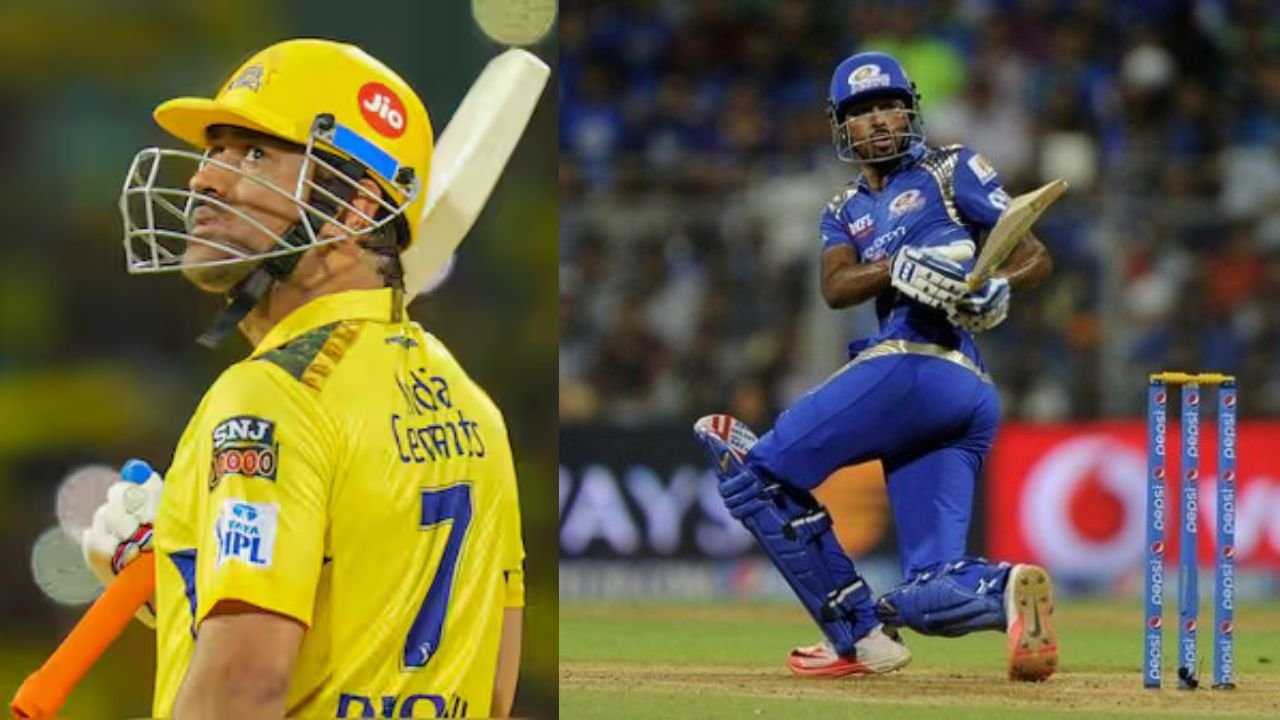

In the early years of the IPL, attention largely centred on explosive openers and headline bowlers. Teams built identities around aggressive powerplay batting or dominant spin attacks. Over time, however, the balance of influence has shifted. The closing overs — once treated as a final flourish — have become the decisive phase of most matches. In this new environment, the role of the finisher has evolved from specialist luxury to strategic necessity.
Why finishers are more than late-order hitters
A finisher is not merely a batter who swings hard in the final overs. The modern IPL finisher is expected to read match situations, absorb pressure, and accelerate without destabilising the innings. Unlike openers who operate with predictable freedom, finishers enter uncertain scenarios — early collapses, tight chases, or defensive rebuilds. Their ability to control tempo rather than just increase it has elevated their tactical value.
Across seasons, teams that consistently qualify for playoffs often possess at least one reliable closer who thrives under scoreboard pressure. This pattern has influenced decision-making during the IPL 2026 Auction, where franchises increasingly prioritise finishing ability even over reputation or past aggregate numbers.
Squad construction now revolves around end-game specialists
The rise of finishers has quietly altered how squads are built. Teams no longer stack their line-ups with similar batting profiles. Instead, they allocate defined roles to ensure coverage across match phases. A dependable finisher allows captains to take calculated risks earlier in the innings, knowing there is stability at the back end.
This structural thinking shapes the evaluation of the IPL 2026 Players pool, where versatility and temperament are valued as highly as strike rate. Franchises are actively seeking batters who can shift between consolidation and acceleration depending on the scenario, reducing dependence on top-order dominance.
Pressure handling separates contenders from participants
One recurring trend across IPL history is that knockout games amplify pressure in the final overs. Matches are rarely won solely through early aggression; they are secured by clarity in high-stakes moments. Finishers who can remain composed while chasing double-digit run rates often tilt seasons in their team’s favour.
As competitive margins narrow, franchises recognise that structured finishing roles reduce unpredictability. This insight has influenced how IPL 2026 Teams are strategising combinations, ensuring at least one or two players are groomed specifically for end-game responsibility rather than reactive promotion up the order.
Why finishing roles will remain central in IPL 2026
The tactical evolution of T20 cricket continues to reward adaptability. Bowling attacks are more data-driven, field placements are sharper, and match-ups are meticulously planned. In such a landscape, raw power alone is insufficient. The ability to calculate risk and control momentum in the final overs has become the defining skill set.
As IPL 2026 unfolds, the emphasis on finishing roles is unlikely to fade. If anything, the demand for calm, situational awareness in high-pressure moments will grow stronger. Teams that invest in genuine closers rather than improvised solutions are often the ones that convert competitive positions into championships.
