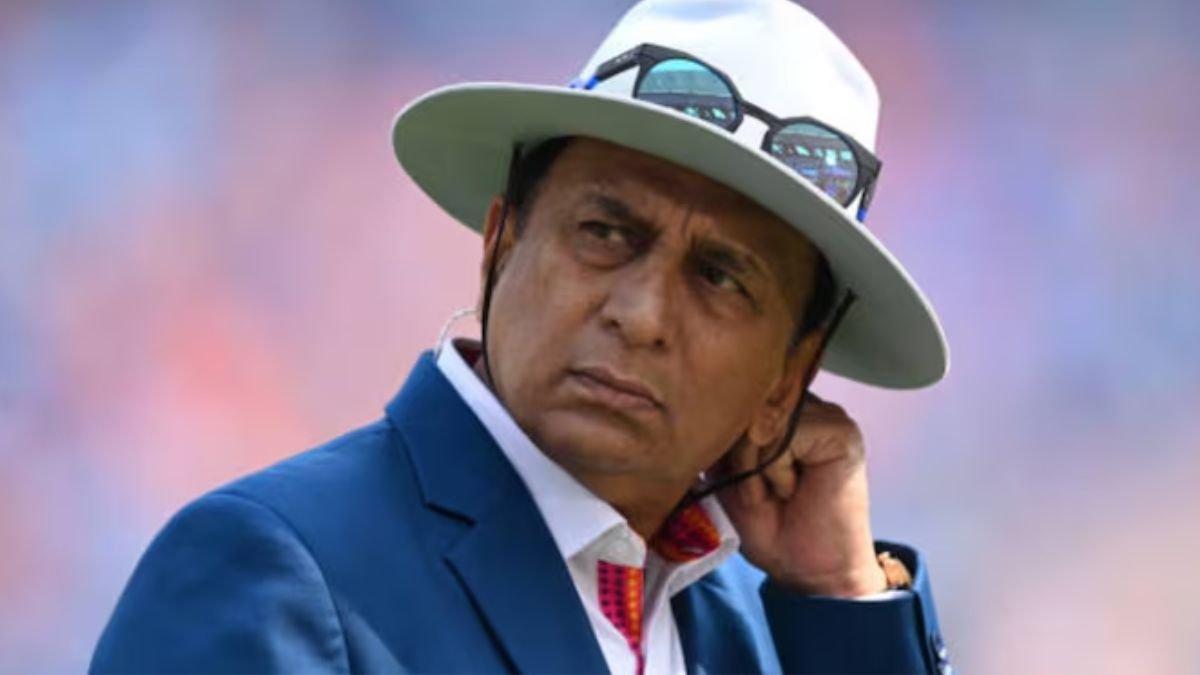

A major debate has erupted ahead of IPL 2026 after former India captain Sunil Gavaskar made a strong statement regarding Indian-owned franchises signing Pakistan players. His remarks have once again brought the intersection of cricket and politics into focus, just days before the new season begins. Gavaskar urged Indian franchises to avoid paying Pakistan players, arguing that such decisions go beyond cricket and involve broader national considerations.
This has quickly become one of the most talked-about controversies in the build-up to IPL 2026. Fans can follow all updates in the IPL 2026 Players section.
What Exactly Gavaskar Said
Sunil Gavaskar questioned the idea of Indian-owned teams signing Pakistan players, even in overseas leagues. He suggested that money paid to such players could indirectly support activities that may not align with India’s interests.
His comments were linked to the signing of Pakistani spinner Abrar Ahmed by an IPL-affiliated franchise in The Hundred tournament. This statement immediately sparked strong reactions across the cricketing world.
Why This Is a Big Issue in IPL Context
Although the IPL itself has not featured Pakistan players since 2009 due to political tensions, the issue becomes more complex when Indian franchise owners participate in global leagues.
Gavaskar’s remarks highlight:
- The influence of IPL franchises worldwide
- The sensitivity around India-Pakistan relations
- The growing connection between politics and franchise cricket
This makes the debate relevant even for IPL 2026.
Mixed Reactions From Cricket World
The comments have triggered divided opinions:
- Some support Gavaskar’s stance, citing national sentiment
- Others believe cricket should remain separate from politics
The controversy has also drawn criticism from international players, showing how sensitive the issue remains.
Impact on Franchise Decisions
Indian-owned franchises operate in multiple leagues across the world. Gavaskar’s statement could influence how these teams approach player selection in the future.
Franchises may now:
- Avoid signing Pakistan players entirely
- Be more cautious in overseas leagues
- Consider public sentiment before decisions
This could have long-term implications beyond IPL 2026. You can explore franchise structures in the IPL 2026 Teams section.
Why IPL 2026 Is Indirectly Affected
Even though Pakistan players are already absent from the IPL, the controversy adds pressure and attention around the tournament.
It highlights:
- The global reach of IPL franchises
- The influence of Indian cricket voices
- The sensitivity of cross-border cricket relations
Such debates often shape narratives around the league, even if they do not directly affect match results.
A Reminder of Long-Standing Policy
Pakistan players have not participated in the IPL since the 2008–09 period due to political tensions between the two countries. This long-standing situation continues to influence discussions whenever cross-border player participation is mentioned.
What This Means for IPL 2026
While the controversy may not change team lineups, it adds another layer of attention to the tournament.
IPL 2026 is already dealing with:
- Injury concerns
- Player workload management
- Team transitions
Now, off-field debates like this are also shaping the narrative. Fans can follow match updates in the IPL 2026 Schedule.
A Debate That Will Continue
The IPL vs politics debate is not new, but Gavaskar’s comments have reignited it at a crucial time. As franchise cricket continues to expand globally, such issues are likely to appear more frequently. Fans can track how teams perform amid all these developments in the IPL 2026 Points Table.
