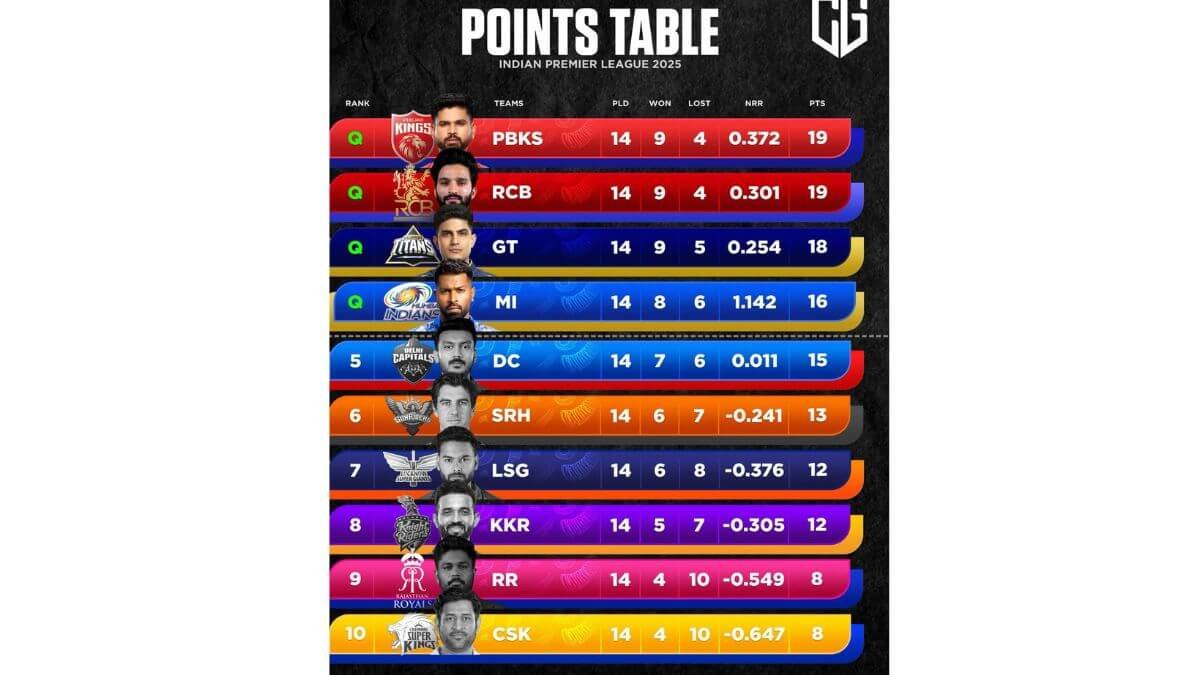

As the IPL season progresses, team strategies change dramatically based on points table position. Matches are no longer approached in isolation. In IPL 2026, points table scenarios, net run rate calculations, and qualification pressure will heavily influence on-field decision-making.
Why points table context changes strategy
Early in the season, teams focus on combinations and rhythm. As standings tighten, priorities shift toward qualification security. Teams begin calculating:
- Minimum wins required
- Net run rate margins
- Dependency on other results
This context drives tactical decisions.
Risk management under qualification pressure
Teams close to qualification often play controlled cricket, protecting net run rate and avoiding heavy losses. Conversely, teams needing quick turnarounds may take calculated risks to boost margins.
These dynamics are rooted in qualification rules explained in IPL 2026 Points Table.
Batting approach during chases
When net run rate matters, batting intent changes. Teams chasing modest targets may accelerate to improve margins, while others focus on safe finishes to secure points.
These decisions are rarely visible to fans but are carefully planned in advance.
Bowling changes and rotation
Points table pressure also affects bowling usage. Captains may deploy strike bowlers earlier to control run flow or rest key bowlers once a match is secured to manage workload.
Squad depth and balance discussed in IPL 2026 Teams make these adjustments possible.
Late-season scenario planning
In the final league phase, teams often enter matches with multiple scenarios in mind. Match plans are prepared not just for winning, but for winning in specific ways.
Auction planning that supports flexibility is outlined in IPL 2026 Auction.
Why IPL 2026 will amplify scenario-based planning
With fewer weak teams and tighter margins, IPL 2026 is expected to see qualification decided late. Scenario-driven planning will be essential for playoff success.
