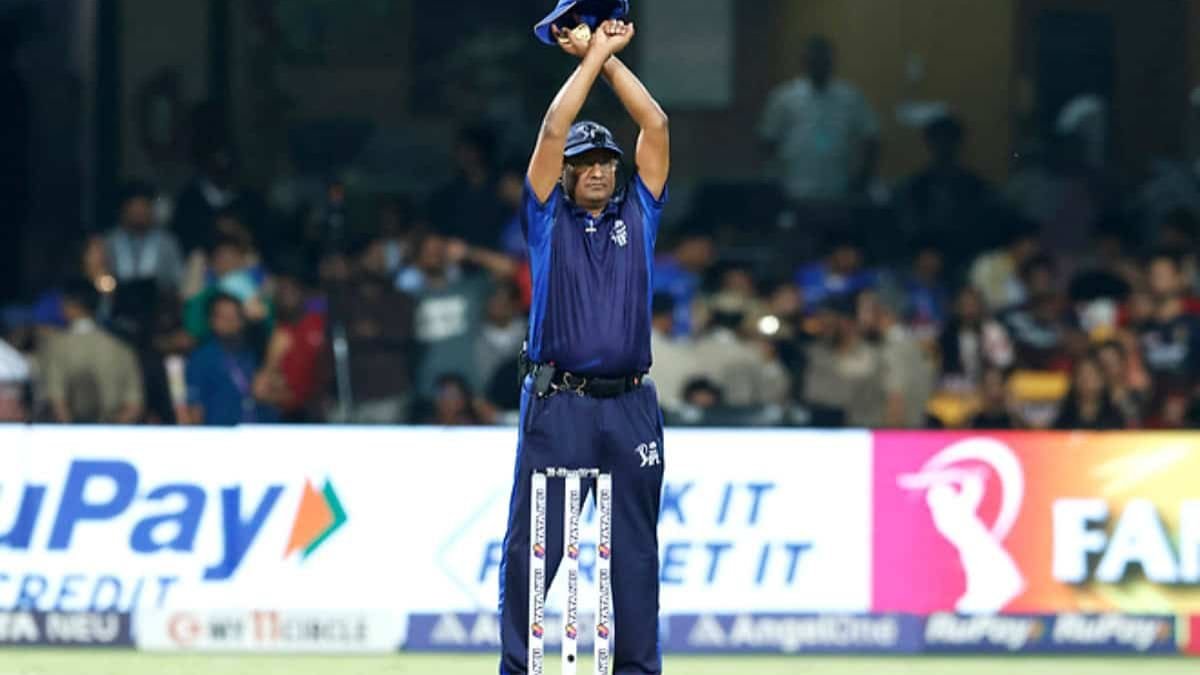

When the Impact Player rule was introduced, it initially appeared to be a minor tactical tweak. Over time, however, it fundamentally transformed how franchises approach squad construction, match planning, and in-game decision-making.
The rule allows teams to substitute one player during a match, effectively expanding strategic possibilities beyond the traditional playing XI. This shift has influenced how IPL 2026 Teams build balance between batting depth and bowling resources.
Greater batting depth without sacrificing bowling
One of the most visible changes has been in batting order flexibility. Teams can now begin with an extra bowler and later bring in a specialist batter during the chase. Conversely, they can strengthen bowling options when defending totals.
This flexibility reduces the risk of imbalanced combinations. Previously, selecting an extra batter meant compromising bowling depth. Now, teams can structure their starting XI around match conditions and adapt mid-game.
The ripple effect is visible when analysing trends on the IPL 2026 Points Table, where narrow victories often hinge on these tactical swaps.
All-rounders no longer the only safety net
Before the Impact Player rule, all-rounders were essential because they provided insurance across disciplines. While all-rounders remain valuable, franchises no longer rely exclusively on them to maintain balance.
Specialists can now play more defined roles because substitutions provide coverage. This has subtly shifted recruitment priorities at the IPL 2026 Auction, where teams assess role clarity alongside adaptability.
Tactical timing becomes decisive
The rule does not just add flexibility it introduces timing pressure. Captains must decide the optimal moment to activate the substitution. A delayed change can waste potential impact; an early move can backfire if conditions shift.
This decision-making layer has elevated strategic planning. Coaching units now simulate multiple scenarios during pre-season to anticipate when substitutions might be most effective.
The result is a league that feels tactically richer, with margins decided not just by skill but by management foresight.
Influence on squad composition
Because only certain players can be substituted depending on match context, franchises now structure squads with contingency roles in mind. Bench players are no longer passive backups they are active tactical tools.
This evolution affects how teams distribute overseas slots and domestic talent within their rosters. The emphasis has shifted toward players who fit defined match phases rather than generic flexibility.
Has it improved competitiveness?
Supporters and analysts remain divided. Some argue that the rule reduces the value of traditional all-rounders. Others believe it enhances entertainment by encouraging aggressive strategies.
What is undeniable is that the rule has accelerated scoring patterns and altered bowling rotations. Captains can attack more confidently knowing they have a fallback option available.
Why the rule continues shaping IPL 2026
As IPL 2026 unfolds, the Impact Player rule remains central to tactical identity. Teams that master timing and role clarity tend to extract maximum value from the substitution.
In a tournament defined by fine margins, one well-timed Impact Player call can swing momentum, influence playoff qualification, and reshape campaign narratives.
