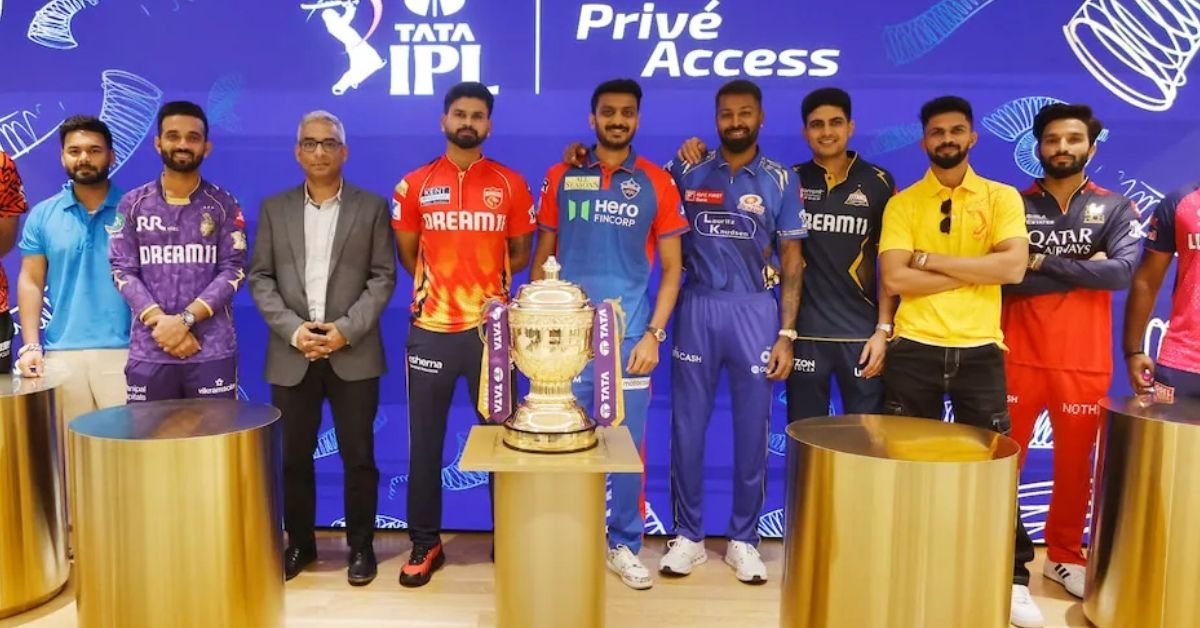
Players are the core of the Indian Premier League, but IPL success is not only about individual brilliance. In the modern era, teams win through balance, role clarity, adaptability, and depth. IPL 2026 continues this trend, with franchises placing as much importance on squad composition as on star names.
This pillar page explains everything you need to understand about IPL 2026 players how squads are structured, how players are categorized, what roles matter most, and how franchises think about long-term value.
This is an evergreen reference page, not a live squad list or performance tracker.
Understanding IPL Player Squads in 2026
Each IPL team is allowed to build a squad within league-defined limits. These rules ensure fairness and prevent talent hoarding.
Squads are constructed through:
- Player retentions
- Auction purchases
- Replacement signings
The framework behind these mechanisms is explained in IPL 2026 Auction, which directly influences which players end up in each team.
Player Categories in the IPL
IPL players are broadly divided into categories that influence bidding, squad balance, and team strategy.
Indian Capped Players
These players have represented India at the international level. They are often the backbone of IPL teams due to their experience and familiarity with local conditions.
Teams value capped Indian players for:
- Stability under pressure
- Leadership potential
- Consistency across venues
Indian Uncapped Players
Uncapped players form the growth engine of the IPL. Many future international stars emerge from this category.
Franchises invest in uncapped players because they:
- Offer high upside at lower cost
- Provide long-term squad continuity
- Can be molded into defined roles
Overseas Players
Overseas players bring global experience and specialized skills. However, their inclusion is limited by playing XI restrictions.
Teams must be selective, prioritizing overseas players who offer maximum impact.
Overseas Player Limits and Their Impact
Each IPL team can include only a limited number of overseas players in the playing XI. This restriction shapes squad planning significantly.
As a result, teams usually look for overseas players who:
- Can influence multiple phases of a match
- Adapt quickly to Indian pitches
- Provide tactical flexibility
Overseas all-rounders and fast bowlers often command premium value because they solve multiple problems at once.
Role-Based Team Building
Modern IPL squads are built around clearly defined roles rather than rigid batting or bowling labels.
Common roles include:
- Powerplay batters
- Middle-order anchors
- Finishers
- Powerplay bowlers
- Death-overs specialists
- Spin enforcers
Teams that clearly define roles early tend to perform more consistently across the season.
Batters in IPL 2026 Squads
Batting roles in the IPL have evolved rapidly. Strike rate and adaptability are often valued more than traditional averages.
Key batting profiles teams look for:
- Top-order batters who maximize powerplay overs
- Middle-order players who can absorb pressure
- Finishers capable of accelerating at the death
Flexibility is crucial. Batters who can adapt their approach based on match situations are increasingly preferred.
Bowlers and Their Importance
Bowling remains the most decisive factor in IPL success. Even in high-scoring seasons, teams with disciplined bowling attacks often dominate.
Bowling roles include:
- New-ball swing bowlers
- Middle-overs spinners
- Death-overs specialists
Teams invest heavily in bowlers who can execute under pressure, especially in the final overs.
All-Rounders: The Most Valuable Players
All-rounders are among the most sought-after players in the IPL. Their ability to contribute in multiple disciplines provides balance and flexibility.
Benefits of strong all-rounders:
- Reduced dependency on specialists
- Greater tactical options
- Better bench rotation
In IPL 2026, teams continue to prioritize all-rounders who can influence matches with both bat and ball.
Wicketkeepers and Their Evolving Role
Wicketkeepers in the IPL are no longer selected solely for their keeping skills. Modern teams expect keepers to be effective batters as well.
Preferred qualities include:
- Ability to bat in the top or middle order
- Quick running between wickets
- Leadership and communication
Multi-dimensional wicketkeepers provide teams with lineup flexibility.
Retentions and Player Continuity
Retaining players before the auction allows teams to preserve their core. Retentions influence:
- Squad stability
- Leadership continuity
- Fan connection
However, retaining too many players can reduce auction flexibility. Teams must strike a balance between loyalty and renewal.
Retention strategies are shaped by rules discussed in IPL 2026 Auction.
Player Fitness and Workload Management
The IPL calendar is demanding, with frequent matches and travel. Player fitness has become a key selection factor.
Teams monitor:
- Injury history
- Workload across formats
- Recovery timelines
Rotation policies are increasingly common, especially for fast bowlers.
Bench Strength and Squad Depth
A strong bench allows teams to:
- Handle injuries
- Adjust to pitch conditions
- Maintain performance levels
Teams with weak benches often struggle during congested phases of the season.
Squad depth directly influences points accumulation, as explained in IPL 2026 Points Table.
Young Players and Development Pathways
The IPL serves as a platform for emerging talent. Teams invest in young players with the expectation of long-term returns.
Development strategies include:
- Gradual integration into the playing XI
- Role-specific training
- Exposure to high-pressure situations
Successful franchises balance youth development with experienced leadership.
Overseas Player Availability and Scheduling
Overseas player availability can fluctuate due to international commitments. Teams factor this uncertainty into squad planning.
Scheduling considerations, outlined in IPL 2026 Schedule, often influence overseas player usage strategies.
Player Auctions vs On-Field Performance
High auction prices do not always translate into performance. Form, role clarity, and team environment play major roles.
Teams that align auction strategy with tactical planning tend to extract better value from their players.
How Players Shape Team Identity
Players define how teams are perceived:
- Aggressive batting lineups
- Bowling-dominant units
- Youth-focused rebuilds
These identities influence fan engagement and long-term success.
Common Misconceptions About IPL Players
Some common myths include:
- Star players guarantee success
- Young players are risky
- Overseas players are always match-winners
In reality, balance and role clarity matter more than reputation.
How to Evaluate IPL Players as a Fan
Instead of focusing solely on runs or wickets, consider:
- Role execution
- Impact in key moments
- Consistency across matches
This approach offers a deeper understanding of player value.
Why Players Are Central to IPL Success
Ultimately, strategies, schedules, and auctions exist to support players. Their execution under pressure determines outcomes.
IPL 2026 will once again highlight the importance of:
- Adaptability
- Mental toughness
- Team-first thinking
These qualities separate champions from contenders.