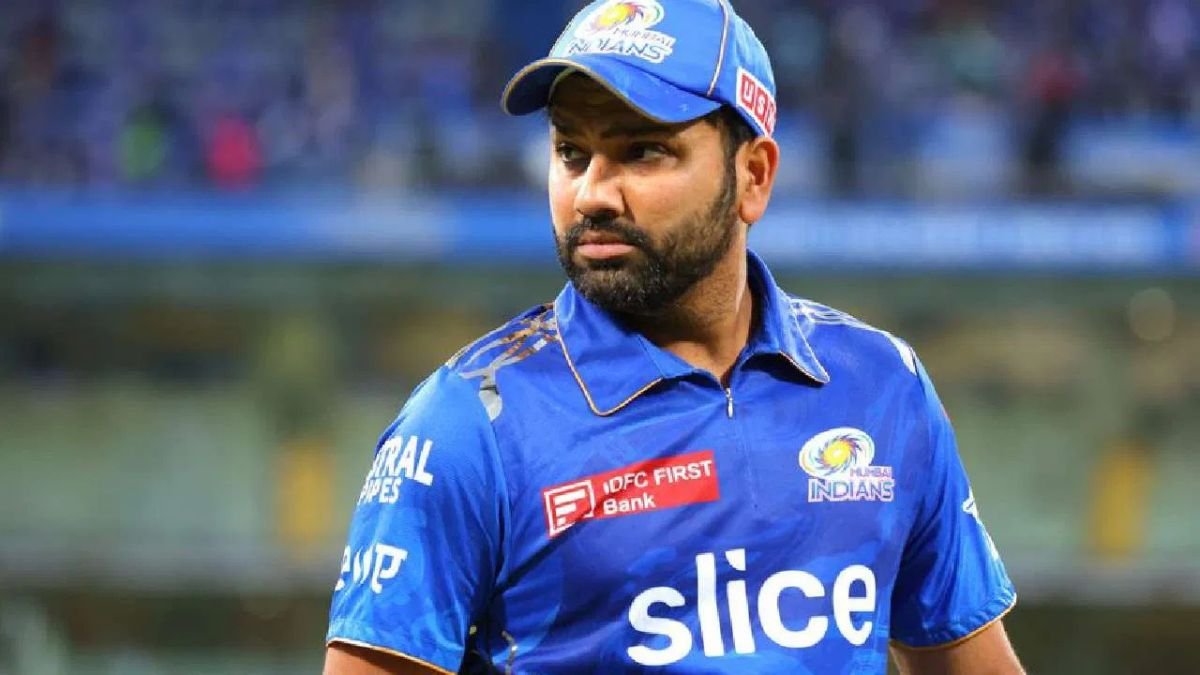

In a surprising development ahead of IPL 2026, veteran batter and captain Rohit Sharma has reportedly declined to take on the Impact Player role recommended by team strategists, signalling his preference for traditional leadership responsibilities and defined positional roles within the batting lineup.
Why the decision matters for MI strategy
Rohit’s stance reflects a broader strategic view that leadership rhythm and settled roles outweigh tactical substitutions. While the Impact Player rule has reshaped how teams approach mid-innings changes, the Mumbai Indians skipper appears intent on reinforcing stability within his unit rather than embracing dynamic roles that may disrupt established patterns.
Leadership emphasis over flexible batter roles
Insiders within the team suggest Rohit’s emphasis on defined roles is aimed at bolstering confidence among core performers. By rejecting the Impact Player role, he is stressing clear role assignments, particularly in high-pressure phases such as the death overs and powerplay acceleration.
What it means for team composition
Rohit’s decision could influence how the Mumbai Indians structure their combinations at the IPL 2026 Auction, particularly in how they balance backup versatile players against specialist executors. Teams often use the Impact Player slot to inject a particular skillset — whether a pinch-hitter or death-overs bowler — and Mumbai Indians may instead opt for deep benches with clearly defined primary roles.
Fan and expert reaction
Fans and analysts have debated the decision, with some praising Rohit’s leadership clarity while others believe embracing tactical flexibility is crucial in modern T20 contexts. The conversation has amplified as teams adapt to evolving formats and strategic frameworks that increasingly value diverse match-day tools.
Strategic context as the season nears
With the IPL 2026 Schedule looming, such strategic decisions are expected to shape early preparations, practice match combinations, and pre-season planning. How Rohit’s stance impacts MI’s tactical adaptability especially in close encounters will be closely watched once action begins.
